All-Subset Regression
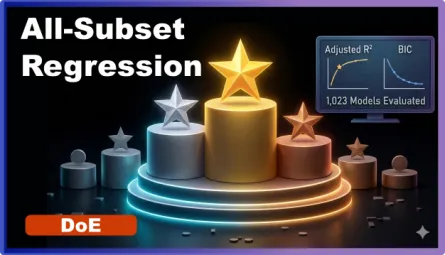
Instead of removing terms one by one, all-subset regression evaluates every possible combination of factors and picks the best model directly. Here's how it works and how it compares to ANOVA.
Read MoreShowing 10 of 38 posts
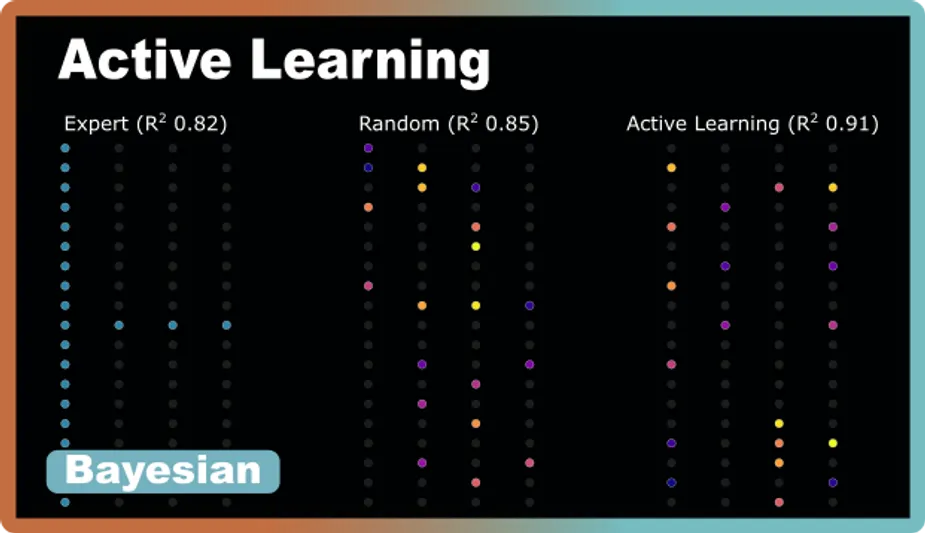
Active learning, domain expertise, or random selection: which gets you the best predictions from the fewest experiments?
Read More Instead of removing terms one by one, all-subset regression evaluates every possible combination of factors and picks the best model directly. Here's how it works and how it compares to ANOVA.
Read More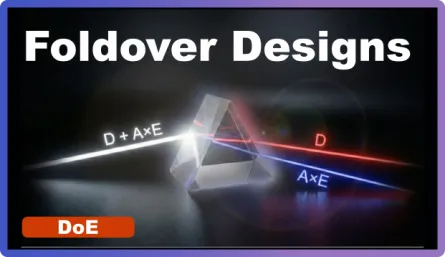
Learn how foldover designs resolve confounding in fractional factorial experiments by adding a mirror-image set of runs, with a practical example showing how a misleading effect gets unmasked.
Read More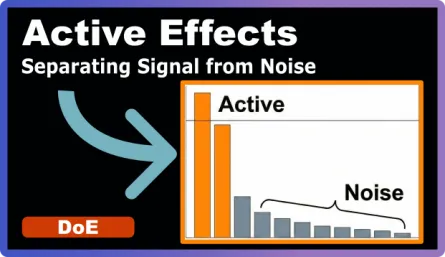
Learn what active effects are, how to distinguish them from inactive ones, and why the principles of effect sparsity and effect hierarchy are the foundation of efficient experimental design.
Read More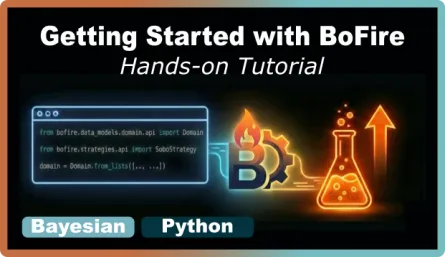
A practical walkthrough of using the BoFire Python package to optimize chemical processes efficiently
Read More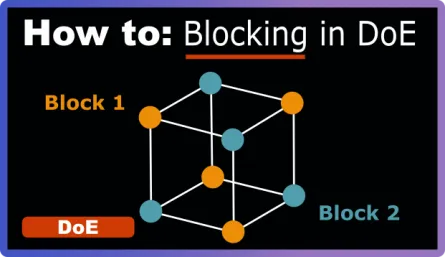
Learn how blocking is implemented in experimental design through confounding, see a practical comparison of blocked vs. unblocked designs, and understand why randomization alone isn't enough.
Read More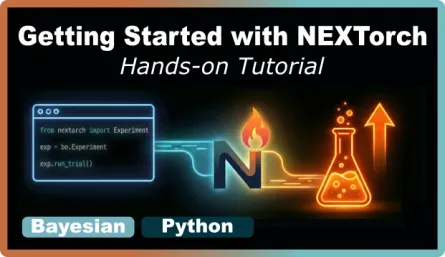
A practical walkthrough of using the NEXTorch Python package to optimize chemical processes efficiently
Read More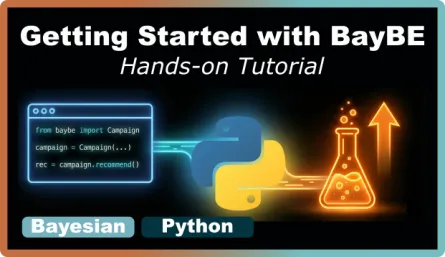
A practical walkthrough of using the BayBE Python package to optimize chemical processes efficiently
Read More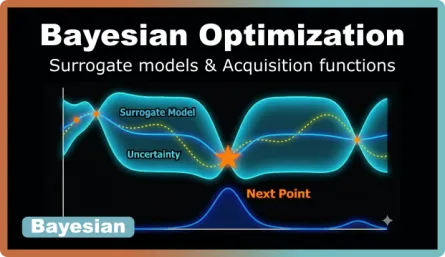
How Bayesian Optimization decides which experiment to run next: surrogate models approximate your expensive experiments, and acquisition functions balance exploring the unknown with exploiting what looks promising.
Read More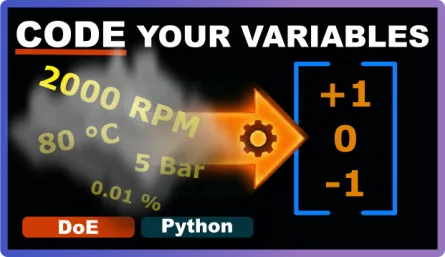
Learn why coding variables is essential in DoE. Discover how standardizing factor scales prevents misleading coefficients and enables accurate model interpretation.
Read MoreNo posts found for the selected categories.